Old-Fashioned Rice Pudding
There’s something special about old-fashioned desserts. They don’t need fancy ingredients or complicated techniques to be delicious. Old-fashioned rice pudding is the perfect example—a simple, creamy dessert made with pantry staples that has been comforting families for generations.
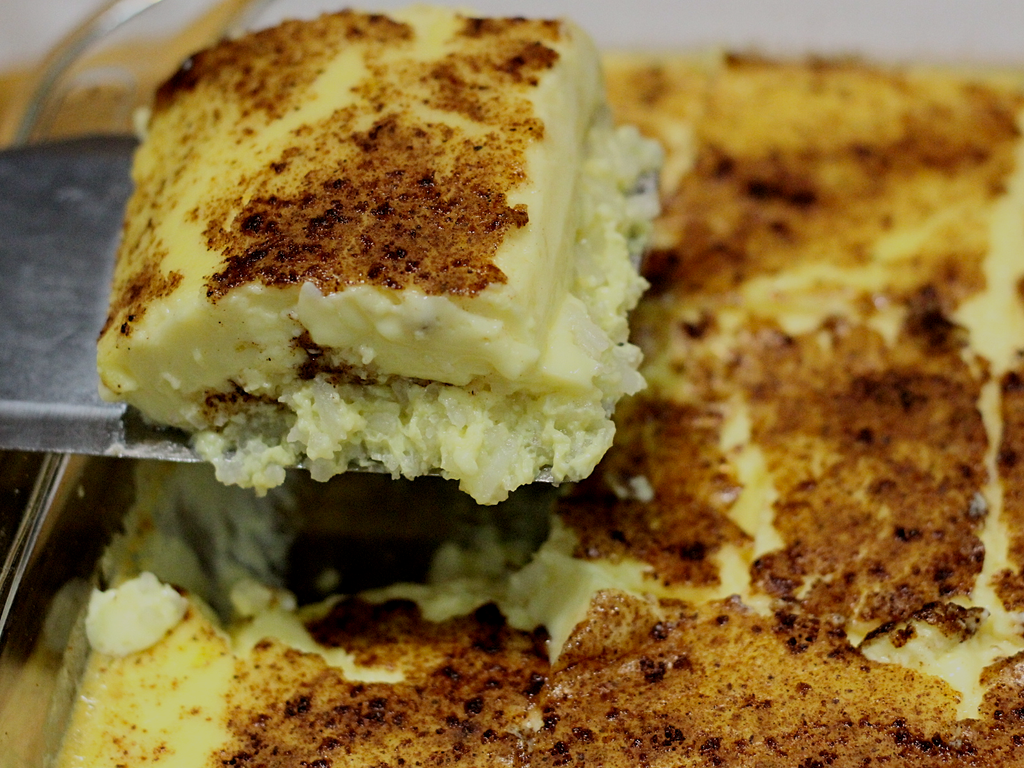
Unlike stovetop rice pudding, this version is baked slowly in a water bath with eggs, creating a rich, creamy custard surrounding tender rice. A sprinkle of cinnamon and nutmeg on top gives it that unmistakable old-fashioned flavor.
It’s a humble dessert, but sometimes the simplest recipes are the ones that become family favorites.
This post may contain affiliate links. Please read my disclosure policy.
Why You’ll Love This Old-Fashioned Rice Pudding
This isn’t a complicated dessert requiring specialty ingredients. It’s made with everyday staples and baked low and slow for a wonderfully creamy texture.
- A great way to use leftover cooked rice
- Old-fashioned baked dessert
- Made with simple pantry ingredients
- Uses cooked rice
- Eggs create a rich, creamy custard
- Baked gently in a water bath
- Delicious served warm or chilled
- Perfect for holidays, Sunday dinners, or an everyday treat
- A great way to use leftover cooked rice
What Makes Baked Rice Pudding Different?
The combination of eggs and a water bath is what makes this rice pudding special.
The eggs create a delicate custard as the pudding bakes, while the water bath surrounds the baking dish with gentle, even heat. This helps prevent the custard from cooking too quickly or becoming rubbery.
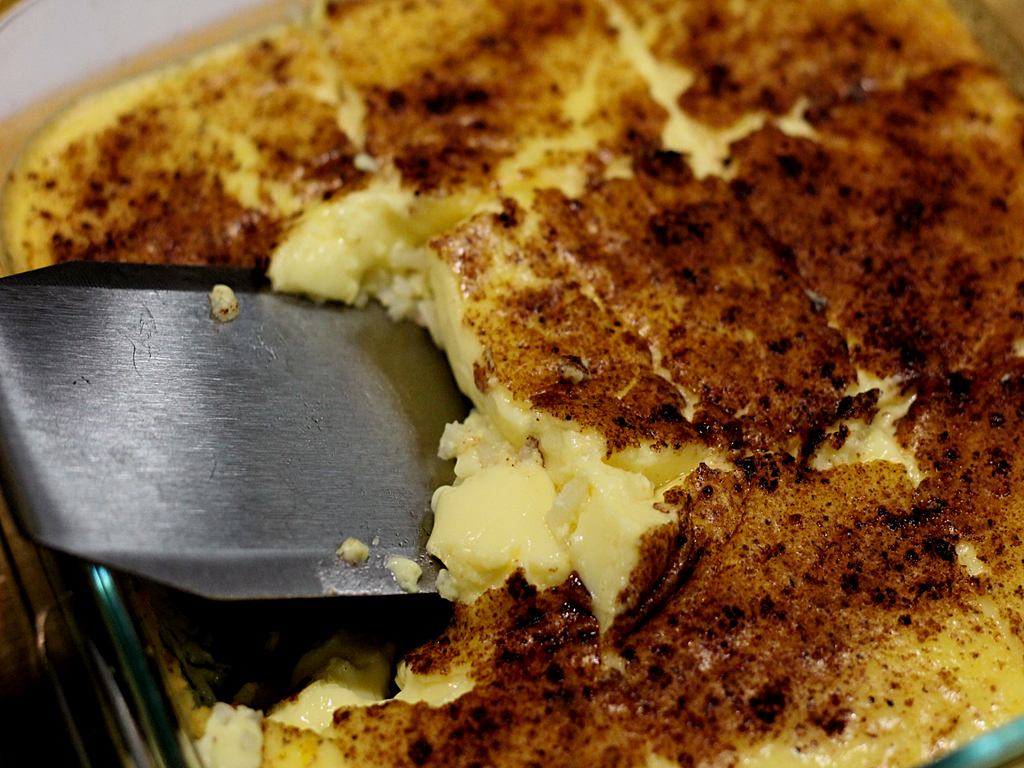
The result is a soft, creamy pudding with tender grains of rice throughout and a lightly browned top.
It’s comfort food in dessert form.
Ingredients for Old-Fashioned Baked Rice Pudding
You only need a few basic ingredients.
Cooked white rice: This is a great recipe for leftover rice. Plain cooked white rice works best.
Milk: Whole milk creates the richest, creamiest pudding, although you can substitute 2% milk.
Eggs: Eggs are essential for creating the custard-like texture.
Sugar: Adds sweetness without overpowering the creamy flavor.
Vanilla extract: Adds warmth and enhances the flavor of the pudding.
Cinnamon and nutmeg: These classic spices give the pudding its nostalgic flavor.
Raisins: Optional, but traditional if you enjoy raisins in rice pudding.
Why Use a Water Bath?
A water bath, or bain-marie, is an old-fashioned baking technique that works especially well for custard-based desserts.
Instead of placing the rice pudding directly in the oven, the baking dish is set inside a larger pan. Hot water is carefully poured into the larger pan around the pudding dish.
The water helps moderate the heat surrounding the pudding, allowing the eggs to cook gently and evenly.
This slow, gentle baking is the secret to achieving that smooth and creamy custard texture.
How to Make Old-Fashioned Baked Rice Pudding
- Preheat oven to 350 degrees. Have a kettle of hot water ready.
- Start by heating milk over low heat until just steaming (do not boil).
- In a separate bowl, whisk eggs, sugar and vanilla.
- Slowly incorporate the warm milk into the egg mixture (temper the eggs), stirring constantly. This helps prevent the eggs from scrambling.
- Add the rice (and raisins if desired) and mix well.
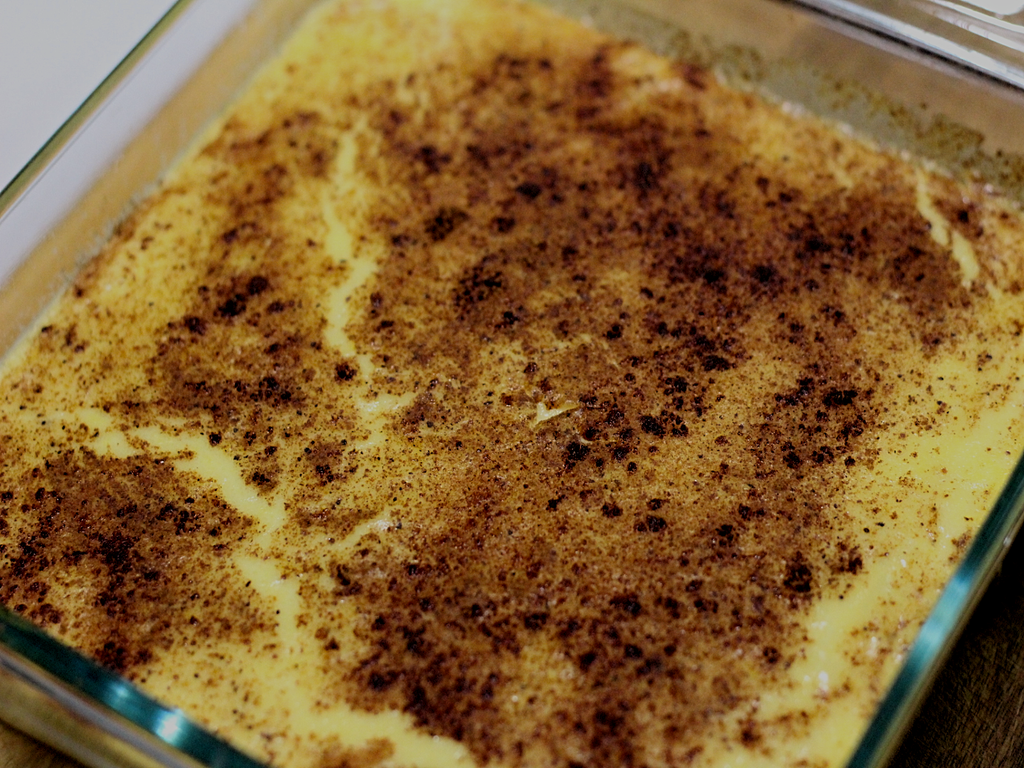
- Pour the rice pudding mixture into a buttered 8×8 baking dish. Sprinkle the top with cinnamon and/or nutmeg.
- Place the baking dish inside a larger roasting pan or baking pan. Carefully pour hot water into the larger pan until it comes about halfway up the sides of the pudding dish.
- Transfer the entire setup to the oven and bake until the pudding is set around the edges but still has a slight jiggle in the center, about 45-50 minutes.
- Remove the pudding from the water bath and allow it to cool slightly before serving.
- As it cools, the custard will continue to set.
The Secret to Creamy Rice Pudding
Don’t skip the water bath.
Because this recipe contains eggs, gentle baking is important. Baking the pudding directly in a hot oven can cause the eggs to cook too quickly, resulting in a firmer or curdled texture.
The water bath creates a gentler environment and helps the pudding bake evenly.
Also, don’t overbake it. The center should still have a slight jiggle when you remove it from the oven. It will continue to firm up as it cools.
Warm or Cold Rice Pudding?
That’s one of the best things about this dessert—you can enjoy it either way.
Serve it warm from the oven for a cozy, comforting dessert. A little extra cinnamon sprinkled over the top is all it needs.
Or refrigerate it and serve it cold, when the custard becomes thicker and even more pudding-like.
For many people, (including myself!), cold leftover rice pudding straight from the refrigerator is the best part!
Should You Add Raisins?
Raisins are definitely optional, but they are a classic addition to traditional rice pudding.
If you like raisins, stir them into the pudding before baking. You can also soak them briefly in warm water to plump them before adding them to the mixture.
Not a raisin fan? Leave them out. The pudding is delicious either way.
Tips for Making the Best Baked Rice Pudding
Use Cooked Rice
This recipe is a wonderful way to use leftover plain rice. It’s an easy way to turn yesterday’s side dish into today’s dessert.
Temper the Eggs
When combining the hot milk mixture with the eggs, add the warm liquid gradually while whisking. This prevents the eggs from cooking too quickly.
Don’t Skip the Water Bath
The water bath provides gentle, even heat and helps create the smooth custard texture that makes baked rice pudding so delicious.
Don’t Overbake
The pudding should be set around the edges with a slight jiggle in the center. It will continue cooking and setting after it comes out of the oven.
Let It Rest
Give the pudding a little time to cool before serving. This allows the custard to finish setting and makes it easier to spoon into servings.
Old-Fashioned Rice Pudding Variations
Once you have the basic recipe down, there are plenty of ways to change it up.
Try adding:
- Raisins
- Extra cinnamon
- Freshly grated nutmeg
- A splash of maple syrup
- Orange or lemon zest
- Chopped pecans or walnuts
- Dried cranberries
- A sprinkle of brown sugar on top
For a holiday version, dried cranberries and orange zest make a wonderful combination.
A Simple Dessert With Old-Fashioned Roots
I love recipes like this because they remind me of my childhood and that good food doesn’t have to be complicated.
Rice pudding takes inexpensive, everyday ingredients and turns them into something creamy, comforting, and satisfying. It’s the kind of dessert that can be made without a trip to the grocery store because you may already have everything you need in the kitchen.
And baking it in a water bath with eggs gives this simple dessert a beautiful custard texture that you just can’t get from a quick stovetop version.
It’s old-fashioned cooking at its best—simple ingredients, a little patience, and a dessert worth sharing around the kitchen table. Enjoy!
Old-Fashioned Rice Pudding
Ingredients
- 1 1/2 cups cooked rice
- 3 eggs
- 2 1/2 cups milk
- 1/3 cup sugar
- 1 tsp vanilla extract
- cinnamon and/or nutmeg for topping
Instructions
- Preheat oven to 350 degrees. Have a kettle of hot water ready.
- Start by heating milk over low heat until just steaming (do not boil).
- In a separate bowl, whisk eggs, sugar and vanilla.
- Slowly incorporate the warm milk into the egg mixture (temper the eggs), stirring constantly. This helps prevent the eggs from scrambling.
- Add the rice (and raisins if desired) and mix well.
- Pour the rice pudding mixture into a buttered 8×8 baking dish. Sprinkle the top with cinnamon and/or nutmeg.
- Place the baking dish inside a larger roasting pan or baking pan. Carefully pour hot water into the larger pan until it comes about halfway up the sides of the pudding dish.
- Transfer the entire setup to the oven and bake until the pudding is set around the edges but still has a slight jiggle in the center, about 45-50 minutes.
- Remove the pudding from the water bath and allow it to cool slightly before serving.
- As it cools, the custard will continue to set.